NYC DOT Sidewalk Violations: What to Do and How to Fix Them?
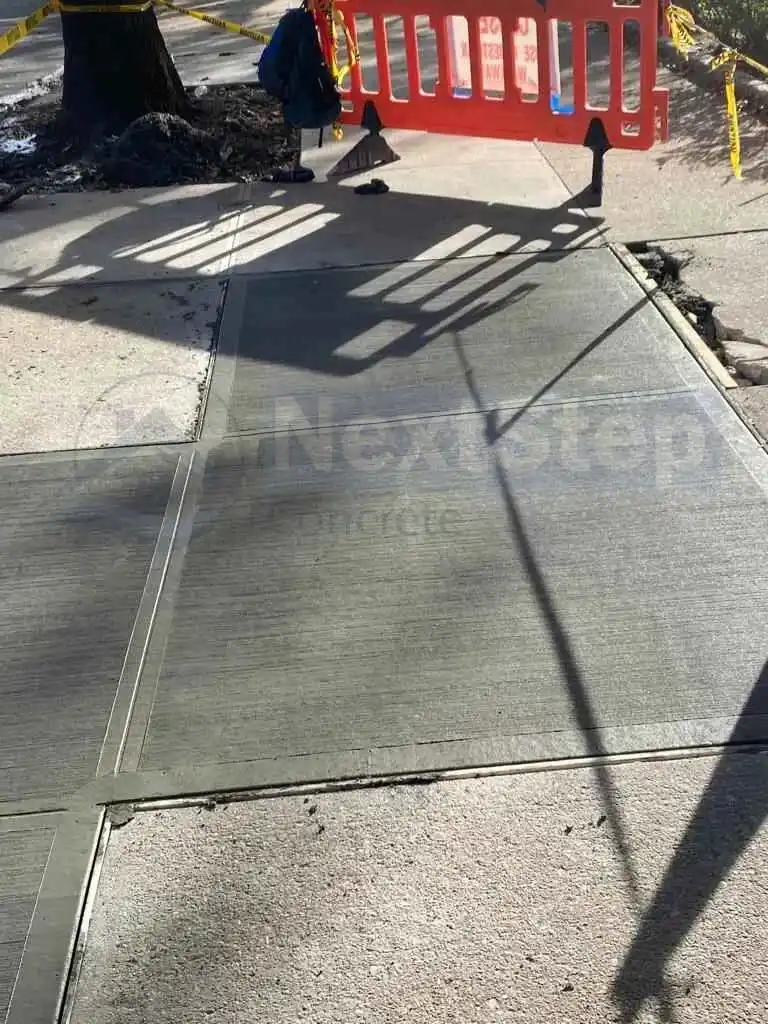
New York City runs on its sidewalks. With millions of people walking daily, residents, tourists, and workers, safe sidewalks aren’t just a convenience; they’re a necessity. To keep pedestrians safe and the city running smoothly, the NYC Department of Transportation (DOT) makes sure sidewalks stay in excellent condition.
According to Section 19-152 of the NYC Administrative Code, property owners are legally responsible for maintaining the sidewalks in front of their buildings. That means if your sidewalk is cracked, uneven, or damaged, it’s your duty to repair it.
If you don’t, the DOT can issue a sidewalk violation, giving you around 75 days to fix the problem. Failing to repair it in time can lead to fines, a city-imposed repair (at your expense), or even a lien on your property.
What Triggers a DOT Sidewalk Violation?
DOT inspectors regularly check sidewalks across neighborhoods and also respond to complaints made through 311. When they find a hazard, they issue a Notice of Violation (NOV).
Common reasons include:
- Cracks wider than ¼ inch
- Holes or potholes deeper than 1 inch
- Uneven or lifted slabs (even by ½ inch)
- Damage from tree roots
- Broken or missing concrete sections
- Missing or non-compliant curb ramps
Simply put, if your sidewalk poses a tripping risk or blocks accessibility, it’s a problem. You’ll usually find a notice posted near your property and receive a copy in the mail. Once you do, the countdown starts immediately.
ADA Compliance is Not Optional
Sidewalks also need to meet Americans with Disabilities Act (ADA) standards. These rules ensure that everyone, including people with disabilities, can move safely. Failing to meet ADA requirements can bring not only a DOT violation but also a federal complaint and hefty fines ranging from $55,000 to $150,000 for repeat offenses.
Key ADA requirements include:
- Minimum sidewalk width: 36 inches (3 feet)
- Maximum slope: 1:48 (it shouldn’t be too steep)
- Curb ramps: 1:12 running slope, and smooth transitions
Even if your sidewalk looks fine, it can still fail inspection if it doesn’t meet ADA standards, especially around crosswalks, driveways, or ramps.
What Happens If You Get a Violation?
The first violation isn’t a fine, but it’s only a warning. But the clock is ticking. Once you receive a Notice of Violation, you have 75 days to repair your sidewalk.
During this time, you’ll need to hire a licensed and insured contractor who’s familiar with NYC DOT requirements. The contractor will ensure your sidewalk repairs meet the city’s code.
If you don’t repair it within 75 days:
- The DOT will fix it for you (usually at a higher cost).
- You’ll receive the repair bill from the Department of Finance.
- You have 90 days to pay that bill, or the city can place a lien on your property.
That lien can make refinancing or selling your property difficult. On top of that, if someone gets hurt on your broken sidewalk before it’s fixed, you could face a personal injury lawsuit under the premises liability law.
So, the best move? Act fast. Handle the repair yourself before it costs more later.
What to Do After Getting a Sidewalk Violation?
First, don’t panic. Carefully read the violation notice. Double-check the property address, type of damage, and the repair deadline. Mistakes happen, so make sure the notice actually applies to your property.
To confirm your violation details, visit nyc.gov/dot and enter your Notice of Violation (NOV) number, or call 311. This will help you plan your next step, whether it’s scheduling a repair or disputing the violation.
How to Dispute a Violation (If Necessary)
If you think the violation isn’t fair, you have the right to dispute it. This can happen if:
- The damage was caused by city work, like utility or sewer lines.
- The violation was sent to the wrong address or owner.
Start by calling 311 to report the issue. You can also file a dispute form through the Department of Finance’s online system.
The city will reinspect your sidewalk within 180 days of your request. This reinspection is done by a different inspector who won’t see the original report. If the city finds that it caused the damage, they may handle the repairs or cover the cost.
However, don’t assume it’ll be resolved automatically; keep records, take photos, and follow up to protect yourself.
Get Professional Help
If the violation stands, your next step is to hire a qualified sidewalk contractor near you. Look for one who is:
- Licensed and insured
- Approved by NYC DOT and the Department of Consumer and Worker Protection
Professional contractors understand the city’s rules, permit process, and materials required, like high-strength air-entrained 4000 PSI concrete. They’ll ensure the repair meets ADA standards and handle the necessary paperwork.
Before starting, make sure your contractor obtains a DOT sidewalk repair permit. If they skip this step, the city can reject your work and keep the violation open.
Schedule a Reinspection
Once repairs are complete, request a final inspection from the DOT. Many contractors can do this for you. You can request a reinspection by yourself.
If the DOT approves the work, they’ll officially close the violation, and your property record will be updated. That means no more pending violations, no fines, and no risk of liens. It also protects your property value and clears your record for future buyers or lenders.
Conclusion
Getting a sidewalk violation notice can feel stressful, but it’s manageable if you act quickly. Understanding what triggered the violation and how to fix it will save you time, money, and frustration.
Make repairs as soon as possible, follow city guidelines, and work with a professional contractor who knows the process. It’s the simplest way to stay compliant and avoid unnecessary costs.
In the end, maintaining your sidewalk isn’t just about avoiding fines, but it’s about keeping your community safe and protecting your investment. A well-kept sidewalk boosts your property’s value, prevents accidents, and shows you care about your neighborhood.